Table of Contents
ToggleOverwatch is a team-based hero shooter developed by Blizzard Entertainment. The game launched in 2016 and quickly became one of the most popular multiplayer shooters in the world. Players choose from a diverse roster of heroes, each with unique abilities, and work together to complete objectives. Whether someone is new to the franchise or returning after a break, understanding what Overwatch offers helps explain why millions still play it today. This guide covers everything from core gameplay mechanics to the current state of Overwatch 2.
Key Takeaways
- Overwatch is a team-based hero shooter by Blizzard Entertainment where two teams of five compete in objective-based matches.
- The game features over 40 unique heroes divided into three roles: Tank, Damage, and Support, each essential for team success.
- Overwatch 2 launched in October 2022 as a free-to-play game available on PC, PlayStation, Xbox, and Nintendo Switch.
- Success in Overwatch requires teamwork, coordination, and smart hero selection rather than individual skill alone.
- Multiple game modes like Push, Escort, Control, and Hybrid offer varied strategic challenges across dozens of maps.
- New players can start playing Overwatch 2 completely free, with only cosmetic items requiring purchases.
Overview of the Game
Overwatch puts two teams of five players against each other in fast-paced matches. Blizzard Entertainment created the game as a colorful alternative to gritty military shooters. The result is a vibrant world filled with memorable characters and locations spanning the globe.
The original Overwatch featured six-player teams, but Overwatch 2 reduced team sizes to five. This change made matches faster and gave individual players more impact on outcomes. Games typically last between 10 and 20 minutes, making it easy to fit sessions into busy schedules.
Overwatch stands out because of its emphasis on teamwork. Players can’t simply run and gun their way to victory. Success requires coordination, communication, and smart hero selection. A balanced team composition often determines whether a match ends in victory or defeat.
The game is free-to-play as of October 2022. Players can download Overwatch 2 on PC, PlayStation, Xbox, and Nintendo Switch without spending money. Blizzard generates revenue through cosmetic purchases like skins, emotes, and battle passes.
Core Gameplay and Objectives
Overwatch gameplay centers on objective-based combat rather than simple eliminations. Teams must work together to capture points, escort payloads, or complete hybrid objectives that combine both elements.
Each match starts with a hero selection phase. Players pick from the available roster and can switch heroes at any point during the match. This flexibility allows teams to adapt their strategy based on what the enemy team is running.
The combat itself feels smooth and responsive. Heroes have primary weapons plus several unique abilities on cooldown timers. Ultimate abilities charge over time and through dealing damage. These powerful moves can swing fights when used at the right moment.
Winning Matches
Victory in Overwatch requires more than good aim. Teams need to group up, use abilities together, and time their pushes carefully. A well-coordinated ultimate combination can wipe an entire enemy team in seconds.
Players earn experience points after each match regardless of outcome. Leveling up unlocks cosmetic rewards and contributes to battle pass progression. Competitive mode offers a ranked ladder where players can test their skills against opponents of similar ability.
Heroes and Roles
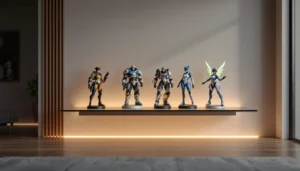
Overwatch features over 40 playable heroes divided into three roles: Tank, Damage, and Support. Each role serves a specific purpose in team composition.
Tank Heroes
Tanks create space for their team and absorb enemy fire. Heroes like Reinhardt use large shields to protect teammates. Others like D.Va jump into enemy backlines to disrupt their formation. Tank players lead pushes and set the pace for their team.
Damage Heroes
Damage heroes focus on eliminating opponents. This role includes hitscan characters like Soldier: 76 and Widowmaker who rely on precise aim. Projectile heroes like Pharah and Junkrat offer different playstyles. Some damage heroes specialize in flanking while others excel at holding angles.
Support Heroes
Support heroes keep their team alive and provide utility. Mercy heals single targets with her staff. Lucio provides area healing through his music. Some supports like Ana and Zenyatta can deal significant damage while healing. Good support play often decides close matches.
Learning multiple heroes within a role gives players flexibility. The Overwatch meta shifts regularly, so adaptable players climb ranks faster than one-tricks who refuse to switch.
Game Modes and Maps
Overwatch offers several game modes across dozens of maps. Each mode presents different strategic challenges.
Push is the newest mode added with Overwatch 2. Teams fight over a robot that pushes a barrier toward the enemy spawn. The team that pushes farther wins.
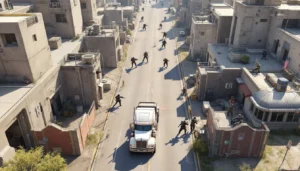
Escort tasks the attacking team with moving a payload through checkpoints. Defenders try to stall progress until time runs out.
Control features best-of-three rounds on symmetric maps. Both teams fight to capture and hold a central point.
Hybrid combines point capture with payload escort. Attackers must first secure an objective before escorting the payload.
Flashpoint requires teams to capture three control points that appear randomly across the map.
Maps range from futuristic cities to ancient temples. Each location offers unique sightlines, flank routes, and choke points. Learning map layouts gives players significant advantages over opponents who don’t know the terrain.
Quick Play provides casual matches without ranking pressure. Competitive mode places players in skill-based tiers. Arcade mode rotates special game types like Mystery Heroes and Capture the Flag.
Overwatch 2 and the Current State of the Game
Blizzard launched Overwatch 2 in October 2022 as a free-to-play replacement for the original game. The sequel brought significant changes to how Overwatch plays and how players access content.
The shift from 6v6 to 5v5 removed one tank from each team. This change increased the importance of individual skill and reduced the “shield meta” that frustrated many players. Matches now feel more dynamic with fewer barriers blocking sightlines.
Overwatch 2 uses a seasonal model with regular content updates. New heroes, maps, and modes arrive throughout the year. The battle pass system replaced loot boxes as the primary way to earn cosmetics.
The competitive scene remains active with the Overwatch League, though the esports landscape has changed since the game’s peak popularity. Professional matches still attract viewers, and ranked play offers a path for aspiring players to prove themselves.
Blizzard continues to balance heroes and address community feedback. Regular patches adjust ability values and fix bugs. The development team has committed to supporting Overwatch 2 for years to come.
New players can jump into Overwatch 2 today without spending money. The core game experience is completely free, with only cosmetic items locked behind purchases.