Table of Contents
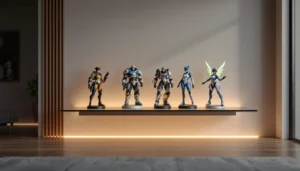
ToggleOverwatch’s cosmetic system has always been a status symbol. Whether you’re scrolling through the hero gallery or spectating a teammate, skin choice communicates something about your playstyle, investment, and tenure in the game. But not all skins carry equal weight, some are impossibly rare, lost to the vault of discontinued events or locked behind grueling achievement requirements. If you’ve ever wondered how someone unlocked that elusive legacy skin or why certain cosmetics command such respect in the community, this guide breaks down the rarest Overwatch skins in circulation as of 2026, the mechanics that make them exclusive, and what it actually takes to hunt them down.
Key Takeaways
- Rare Overwatch skins derive their exclusivity from time-gated events, discontinued availability, and achievement-based unlock requirements that limit access to dedicated players.
- Overwatch 1 exclusive cosmetics remain the most coveted rare skins, permanently inaccessible to new players who joined after the October 2022 transition to Overwatch 2.
- Event-locked cosmetics like Halloween, Lunar New Year, and Summer Games skins rotate back into the shop sporadically, requiring players to monitor rotations carefully and act within narrow 1-2 week purchasing windows.
- Mythic skins represent the highest prestige cosmetic tier, earned through seasonal challenges that demand 10-20 hours of gameplay commitment, creating natural rarity through grinding requirements.
- Rare cosmetics function as community artifacts and status symbols, broadcasting player tenure and dedication while driving long-term engagement through collectibility and competitive prestige.
- Battle pass exclusives and permanently vaulted cosmetics become increasingly valuable over time, with older Season 1-3 cosmetics commanding greater social currency than current shop items despite identical monetary costs.
What Makes Overwatch Skins Rare?
Rarity in Overwatch cosmetics isn’t arbitrary. It’s determined by availability windows, acquisition difficulty, and how long they’ve been out of reach. Understanding these categories helps separate true collector’s pieces from merely decent cosmetics.
Limited-Time Events and Seasonal Releases
Most of Overwatch’s rarest skins stem from time-gated events that simply won’t return. Event skins like Lunar New Year, Halloween, and Summer Games cosmetics were originally locked to specific windows each year. When Overwatch 2 launched in October 2022, Blizzard vaulted hundreds of legacy skins, making them unavailable to new players. Old players who grabbed them during their original runs still have access, but anyone joining afterward can’t unlock them through normal means.
Seasonal cosmetics operate differently. Each season in Overwatch 2 brings new legendary and epic skins tied to that period. Once a season ends, those skins rotate out of active shop rotation. They return sporadically during special promotions or seasonal reruns, but the window is narrow. A player who missed Season 5’s exclusive legendary skin has to wait months or years for a rerun, if Blizzard decides to bring it back at all.
The rarity multiplier increases exponentially the further back you go. A skin from Year 1 of Overwatch 2 (2022–2023) feels legitimately rare now in 2026, especially if it never got a second rotation.
Discontinued Items and Legacy Cosmetics
Overwatch 1 ran from 2016 to 2022. During those six years, Blizzard released cosmetics tied to events, achievements, and seasonal content. When Overwatch 2 went free-to-play and replaced the original game, a critical decision was made: legacy cosmetics wouldn’t automatically transfer. Early players who had skins like the Tracer Punk skin, Lúcio’s Golden Gun cosmetics, or Widowmaker’s Noire skin had to be grandfathered in.
New players? They were locked out permanently. This created an immediate scarcity layer: only players with an active Overwatch 1 license before the transition could access certain cosmetics. Blizzard never sold these skins again or added them to the cosmetic shop. They’re essentially lost forever for anyone who didn’t own them before October 4, 2022.
Beyond legacy transfers, Blizzard sometimes completely removes cosmetics from rotation. A skin might launch, sell poorly, and then disappear from the shop permanently. It’s rare, the company generally wants to monetize cosmetics across multiple returns, but it happens. When it does, that cosmetic becomes a relic.
Achievement-Based and Exclusive Unlock Skins
Not all rare skins cost money. Some require grinding specific challenges or unlocking achievements that demand skill, dedication, or both. Mythic skins in Overwatch 2, for instance, require players to earn a cosmetic weapon through seasonal challenges. Unlike paid cosmetics that anyone with a credit card can grab, mythic requirements force engagement with actual gameplay.
Earlier systems had even stricter requirements. In Overwatch 1, certain cosmetics were tied to competitive play, arcade wins, or event-specific achievements. A player had to actually earn their cosmetics, not just purchase them. This created natural rarity: only dedicated players obtained them, and only during the availability window.
These challenge-based skins feel different to wear. They broadcast competence and time investment. A teammate sporting an achievement-locked skin sends a signal: this player put in the grind. They didn’t just drop money on the cosmetic shop.
The Rarest Legendary Skins in Overwatch History
Some skins have transcended mere rarity, they’re legendary in literal and cultural terms. These are the cosmetics that make observers do a double-take when they see them in-game.
Overwatch 1 Exclusive Skins and Their Legacy
The bridge between Overwatch 1 and 2 created a hard line in the sand. Skins released during the original game’s run carry inherent scarcity because they’re inaccessible to the current playerbase unless you owned them before the transition. Names like Tracer’s Punk skin, Reinhardt’s Crusader skin, and Hanzo’s Cyberninja skin are pure OG currency.
Among these, certain cosmetics stand out as particularly coveted. Widowmaker’s Noire skin is often cited as one of the most sought-after: it was originally a pre-order bonus for Overwatch 1, making it exclusive from launch. Veterans who snagged the special edition still have it, but the vast majority of today’s players can only admire it.
The legendary tier of OG skins commands respect because they represent tenure. A player wearing a Crusader Reinhardt skin in 2026 has been with Overwatch for a decade or skipped it entirely (which is technically possible if they owned the account and didn’t play, but highly unusual). Either way, the cosmetic’s scarcity is undeniable.
Blizzard has occasionally made one-off exceptions, like bringing back a single OG skin or creating re-skins of legacy cosmetics with slight variations. These rereleases feel like concessions, acknowledging how locked out new players feel. But the original versions remain untouchable.
Event-Exclusive Legendaries That Never Returned
Within Overwatch 2’s lifecycle, certain event legendaries have become untouchable. The Summer Games 2023 collection, for example, included limited-edition skins that some players missed. By 2026, if those skins haven’t rotated back, they’re functionally legacy items, rare enough to feel special even if they’re technically not Overwatch 1 exclusives.
Halloween skins occupy a peculiar space. They’re event-locked to October, so they only appear once a year. Missing a single year means waiting another 12 months, and Blizzard doesn’t guarantee every Halloween cosmetic returns annually. Some years, new Halloween skins replace older ones entirely, meaning certain spooky cosmetics vanish permanently.
The Lunar New Year and Chinese New Year events have had similar patterns. A skin released in 2023 might not return in 2024, and if it doesn’t return by 2025 or 2026, players increasingly assume it’s gone. After three or more years, a cosmetic stops feeling seasonal and starts feeling extinct.
Players often reference specific legendary skins as “unicorns”, cosmetics so rarely seen that encountering them in-game triggers discussion. These skins have typically been vaulted for 2+ years and never received a confirmed return date. Community wikis and Discord servers maintain lists of these unicorns, and spotting one becomes a small event unto itself.
Prestige and Mythic Skins Worth the Grind
Overwatch 2 introduced Mythic skins as the highest tier cosmetic, and they’ve become shorthand for prestige. Unlike standard cosmetics purchased with currency, mythic skins demand seasonal challenges and sometimes real money investment, but not in the traditional way.
Mythic cosmetics launch with a customizable mythic weapon earned through seasonal challenges. Players complete specific tasks (win matches, eliminate enemies, use abilities a certain number of times) to unlock cosmetic weapon variants. The skin itself often requires additional cosmetic weapons or battle pass completion as a prerequisite. This creates a grinding requirement that separates committed players from casual buyers.
The prestige lies in visibility. A mythic weapon glows and animates distinctly: enemies immediately recognize it in-game. It signals that the player completed a full seasonal grind or invested enough currency to shortcut it. Either way, mythic cosmetics broadcast active engagement with Overwatch 2’s progression system.
Not every mythic skin is equally rare, though. Early mythics (Seasons 1-3 of Overwatch 2) feel rarer now in 2026 because fewer players were grinding at that level. Seasonal mythics improve over time, and late-season versions often outclass earlier iterations, pushing players toward newer options. An older mythic skin worn in 2026 indicates either legacy loyalty or someone who prioritizes aesthetics over the latest meta cosmetic.
The grinding requirement itself creates natural rarity. A player has to invest 10–20 hours per season just completing mythic challenges, plus the mental fortitude to stick with Overwatch 2 consistently. Unlike purchasing a skin during a shop rotation, mythic cosmetics require presence. Someone wearing an older mythic skin was here, grinding, every season. That carries social weight in the community.
How to Obtain Rare Skins in Overwatch 2
If you’re hunting rare cosmetics, the acquisition method matters enormously. Not all rare skins are currently obtainable, but several rarity tiers remain in active rotation, albeit briefly.
The Seasonal Shop and Rotating Events
Rare skins make periodic returns through the seasonal cosmetic shop. Blizzard typically rotates older event cosmetics back into availability once or twice per year, usually during their original event window. A player looking to grab a previously missed Halloween or Summer Games cosmetic needs to watch for shop notifications.
The window is genuinely narrow, usually 1-2 weeks. Once the event cosmetic rotation ends, it disappears again. Prices typically hover around 1,900–2,000 Overwatch Coins for legendary skins, equivalent to approximately $20 USD. Some events feature bundles that combine multiple cosmetics, offering moderate discounts if you’re willing to commit to multiple skins.
The strategy is simple: plan ahead. If you know a cosmetic you want is tied to an upcoming event, set a calendar reminder. Blizzard announces seasonal events weeks in advance, and the community maintains detailed wikis tracking historical event schedules. Utilizing Creative Overwatch Ideas to Enhance Your Gameplay Experience forums and community resources helps players stay informed about upcoming shop rotations and cosmetic releases.
Battle Pass Exclusive Cosmetics
Each seasonal battle pass includes cosmetics locked exclusively to that pass. Free tier cosmetics are accessible to all players, but premium tier cosmetics require purchase. A player can grind every single challenge, but without the $10 battle pass purchase, certain cosmetics remain locked.
Battle pass cosmetics are technically “available” only during their season. After the season ends, they’re vaulted permanently. Unlike event cosmetics, battle pass exclusives don’t rotate back through the seasonal shop. A cosmetic earned in Season 7 won’t reappear in Season 8 or beyond.
This makes battle pass cosmetics moderately rare. They’re not Overwatch 1 exclusive–rare, but they’re scarce enough that players commonly miss them (due to not owning the pass, not grinding enough, or simply not playing during that season). A player sporting a Season 3 battle pass legendary skin in 2026 is showing either devotion to the game during an earlier era or calculated cosmetic collecting.
The rarity increases based on how early in Overwatch 2’s lifecycle the cosmetic originates. Season 1–2 battle pass cosmetics feel genuinely scarce because fewer players were actively grinding back then.
Challenges and Gameplay-Driven Unlocks
Mythic skins require seasonal challenges, as discussed, but other cosmetics have challenge-based unlock paths too. Limited-time arcade events sometimes offer cosmetics for completing specific game modes at high win rates. Anniversary events tie cosmetics to challenge tiers. Achieving these demands actual gameplay skill or time investment.
Playground challenges, seasonal grand finals events, and competitive placement rewards have all distributed cosmetics. These have inherently lower population participation than shop purchases, automatically creating rarity. A player had to engage with a specific game mode and perform at a certain level, not everyone did.
The cognitive load itself filters participation. Many players don’t hunt cosmetics through challenges: they wait for shop rotations. Those who actually pursue challenge cosmetics naturally acquire rarer items. Overwatch Strategies: Essential Tips to Dominate Your Matches communities often dissect optimal challenge routes, but the information is distributed across forums and guides. Players who find it have an advantage in securing rare cosmetics.
Pricing and Economy: Understanding Rarity Value
Cosmetic pricing in Overwatch 2 follows a tiered structure. Common cosmetics cost 250–500 coins: rare skins cost 750–1,000 coins: legendary skins cost 1,900–2,000 coins. Mythic skins operate outside this standard pricing, requiring seasonal challenges or hefty currency bundles.
For context: 2,000 Overwatch Coins typically costs $20 USD. That’s the standard legendary skin price. A player wanting to grab every returning event legendary in a season could spend $40–60 easily, especially if Blizzard runs multiple event rotations.
Price doesn’t directly correlate with rarity, though. A legendary skin available in the current seasonal shop costs the same as a legendary skin that hasn’t been available for three years. The difference is availability, not monetary value. This is where the community creates informal rarity tiers.
Rare cosmetics command social currency, even if their monetary value is identical to current shop items. A player wearing a vaulted legendary skin demonstrates either tenure or knowledge, they knew the cosmetic was valuable and pursued it during its availability window. That carries cachet.
Some cosmetics become more valuable over time simply because they disappear. The longer a cosmetic stays vaulted, the higher its perceived prestige. This creates a speculative market among collectors. Players sometimes discuss potential future cosmetic values based on vault duration and event frequency.
Blizzard seems aware of this dynamic. The company periodically brings back older cosmetics to let newer players access historical content, but strategically times these returns to avoid devaluing current event releases. It’s a balancing act: monetizing nostalgia while preserving rarity perception.
Why Rarity Matters to the Gaming Community
Rarity in cosmetics goes beyond aesthetics. It touches on identity, status, and the social fabric of gaming communities.
Social Status and Cosmetic Prestige
In competitive and casual Overwatch alike, cosmetics communicate something about a player. A teammate sporting an Overwatch 1 exclusive or a vaulted legendary skin immediately reads as experienced. That’s not accidental, the player made a conscious choice to wear that skin, often specifically because it signals tenure or prestige.
Esports professionals and content creators amplify this effect. When a pro player wears a rare cosmetic during a tournament broadcast, viewership of that cosmetic skyrockets. Suddenly, every aspiring competitive player wants the same skin. This drives community interest in cosmetic hunting and creates secondary markets around rarity discussions.
Community leaders and veteran players become arbiters of cosmetic taste. They discuss which cosmetics feel overplayed, which are underrated, and which are prestigious enough to justify their rarity. These discussions spill across forums, Discord servers, and social media. Game guides and walkthroughs often feature cosmetic tier lists and prestige rankings, adding legitimacy to rarity hierarchies.
Players explicitly target rare cosmetics to stand out. In a game where thousands wear the same hero model, cosmetics are the primary differentiation layer. A rare skin makes a player visually distinct. That distinction carries social weight, especially in ranked competitive play where cosmetics are visible to audiences and opponents alike.
Collectibility and Investment Appeal
For some players, Overwatch cosmetics function as collectibles. They hunt specific skins like trading card enthusiasts hunt rare cards. Communities maintain wikis, spreadsheets, and databases tracking cosmetic rarity, availability windows, and acquisition difficulty. Collectors cross-reference this data to prioritize their grind.
The cosmetic economy has speculative elements too. Players discuss potential future value of certain cosmetics. Will a vaulted skin return? If not, its rarity will only increase. These discussions treat cosmetics almost like investment assets, albeit ones you can’t trade or sell (Blizzard doesn’t allow cosmetic trading or secondary markets).
This investment mentality makes cosmetic collecting a parallel progression system. Alongside competitive rank, healing dealt, and eliminations, players track their cosmetic collection completion. Achieving 100% of a specific hero’s cosmetics becomes a personal milestone. Rarity contributes to the challenge, some cosmetics are so hard to obtain that completing a full collection feels genuinely difficult.
Young players and newer gamers sometimes view older players’ cosmetic collections as intimidating. It’s not about skill disparity: it’s about access and persistence. An account with Overwatch 1 legacy cosmetics has tangible proof of longevity. That carries status in communities that value continuity.
The collectibility appeal also keeps players engaged long-term. Hunting rare cosmetics gives players a progression goal beyond competitive ranking. Some players explicitly play Overwatch 2 to grind seasonal cosmetics, not to climb rank. This creates diverse engagement patterns, with different player segments deriving value from different progression systems.
Blizzard capitalizes on this by occasionally releasing cosmetics specifically designed to appeal to collectors, limited-edition, one-off skins that likely won’t return. These generate discussion, FOMO (fear of missing out), and purchasing urgency. Players debate whether cosmetics are worth the investment, and rarity amplifies those conversations.
Conclusion
Rare Overwatch skins represent more than cosmetic choices, they’re community artifacts. Whether it’s an Overwatch 1 legacy cosmetic, a vaulted event legendary, or a hard-earned mythic weapon, rarity in cosmetics communicates tenure, dedication, and taste. The scarcity stems from concrete mechanics: limited availability windows, event rotations that don’t guarantee returns, and achievement requirements that filter participation.
For players hunting rare cosmetics in 2026, the acquisition path depends on the skin’s rarity tier. Returning event cosmetics require vigilance and currency: battle pass exclusives demand seasonal commitment: challenge-locked cosmetics require grinding or competitive skill. Overwatch 1 exclusives and permanently vaulted skins remain unobtainable, accessible only through account inheritance or legacy access.
The competitive and casual communities both recognize rarity’s social weight. Rare cosmetics broadcast identity and signal that a player was present during specific eras. Esports coverage and competitive gaming guides frequently highlight cosmetic choices during tournaments, underscoring how cosmetics intersect with competitive culture.
Eventually, pursuing rare cosmetics is a choice. Some players view them as collection milestones: others see them as status markers. Regardless of motivation, the hunt for rare skins drives engagement and creates community narratives around cosmetic history. As Overwatch 2 continues, the line between current and legacy cosmetics will only sharpen, making today’s accessible event skins tomorrow’s rare artifacts.