Table of Contents
ToggleThe Overwatch vs debate never gets old. Blizzard’s hero shooter launched in 2016 and quickly became a cultural phenomenon. It defined what team-based objective shooters could be. But the genre has grown crowded since then. Valorant brought tactical precision. Paladins offered a free-to-play alternative. Team Fortress 2 proved the old guard still has fans. So how does Overwatch stack up against its rivals in 2025? This guide breaks down the key differences between Overwatch and its biggest competitors. Players will discover which game suits their playstyle, skill level, and preferences.
Key Takeaways
- Overwatch vs Valorant comes down to playstyle: Valorant rewards precise aim and tactical play, while Overwatch emphasizes abilities and teamwork.
- Overwatch stands out with its 35+ hero roster, mid-match character switching, and polished production values that competitors can’t match.
- Paladins offers a solid free-to-play alternative to Overwatch with deeper loadout customization, though it lacks the same level of polish.
- Team Fortress 2 pioneered the class-based shooter genre and remains relevant with community servers and high skill-ceiling movement mechanics.
- The best Overwatch vs competitor choice depends on your priorities: fast ability combat, tactical gunplay, budget-friendly options, or classic community-driven gameplay.
- Most hero shooters are free or offer trials, so testing each game personally is the best way to find your ideal match.
What Makes Overwatch Unique
Overwatch stands apart from other hero shooters in several ways. The game emphasizes team composition and hero switching during matches. Players can swap characters mid-game to counter enemy strategies. This creates a dynamic experience where adaptation matters as much as mechanical skill.
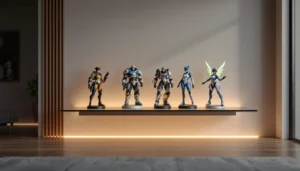
The roster includes over 35 heroes across three roles: Tank, Damage, and Support. Each hero has distinct abilities, ultimates, and playstyles. A player might choose Tracer for fast flanking attacks or Reinhardt for front-line protection. This variety keeps matches fresh and rewards players who master multiple heroes.
Overwatch also prioritizes accessibility. The art style is bright and readable. Abilities have clear visual indicators. New players can contribute meaningfully even without perfect aim. A Mercy main can swing matches through smart healing and damage boosts.
The game’s lore adds depth too. Animated shorts and comics flesh out character backstories. Players feel connected to heroes like Winston, D.Va, and Genji. This emotional investment separates Overwatch from competitors that treat characters as interchangeable skins.
Blizzard’s polish shows everywhere. Sound design helps players track enemy positions. Maps feature multiple routes for different hero types. The overall package feels premium and cohesive.
Overwatch vs Valorant
The Overwatch vs Valorant matchup represents two different philosophies. Valorant blends hero abilities with Counter-Strike gunplay. Overwatch focuses on ability-driven combat with faster respawns.
Valorant demands precise aim. Headshots matter enormously. Guns have recoil patterns players must memorize. The tactical shooter DNA means slower, more methodical gameplay. Rounds are won or lost based on positioning and crosshair placement.
Overwatch rewards game sense and teamwork more heavily. Abilities drive most kills. Ultimate combinations can wipe entire teams. The pace is faster, with players respawning quickly and rejoining fights. Mechanical skill still matters, but it’s one piece of a larger puzzle.
Valorant uses a round-based format with an economy system. Players buy weapons each round. Overwatch features continuous objective-based modes like Payload and Control. There’s no economy, players spawn with full loadouts.
The competitive scenes differ too. Valorant’s esports grew rapidly with Riot’s backing. Overwatch League struggled with franchise costs before restructuring. Both games have dedicated pro scenes, but Valorant currently attracts more viewer attention.
Players who love tactical shooters and CS:GO will prefer Valorant. Those who want faster action and more ability-focused gameplay should choose Overwatch.
Overwatch vs Paladins
Paladins launched shortly after Overwatch and drew immediate comparisons. Hi-Rez Studios created a free-to-play alternative with similar hero shooter mechanics. The Overwatch vs Paladins debate often centers on value and customization.
Paladins offers deeper loadout customization. Players build card decks that modify abilities. A Pip player might boost healing output or prioritize damage. This system lets players personalize heroes to match their preferences. Overwatch keeps abilities fixed, ensuring consistent balance but limiting personalization.
The business models differ significantly. Overwatch shifted to free-to-play in 2022 with Overwatch 2. Paladins has been free since launch. Both games monetize through battle passes and cosmetics. Paladins requires players to unlock champions, while Overwatch gives access to all heroes immediately.
Gameplay feels similar at first glance. Both feature objective modes, hero abilities, and team fights. But Paladins includes mount systems for faster rotation. Maps tend to be larger. The pace sits between Overwatch’s speed and Valorant’s patience.
Overwatch maintains higher production values. Animations feel smoother. Voice acting has more personality. The overall polish exceeds what Paladins delivers. But Paladins provides solid gameplay without any upfront cost.
Budget-conscious players might prefer Paladins. Those seeking the most refined experience should try Overwatch.
Overwatch vs Team Fortress 2
Team Fortress 2 pioneered the class-based shooter genre. Valve’s game launched in 2007 and still maintains an active playerbase. The Overwatch vs TF2 comparison shows how the genre evolved.
TF2 features nine classes with distinct roles. The Medic heals. The Heavy tanks damage. The Scout moves fast. Sound familiar? Overwatch clearly drew inspiration from TF2’s framework. But Overwatch expanded the concept with ultimate abilities and a much larger roster.
TF2 offers more mechanical depth in certain areas. Rocket jumping and surfing create high skill ceilings. The Demoman and Soldier reward players who master movement tech. Overwatch abilities feel more accessible but less technical.
The games handle progression differently. TF2 has an extensive trading economy and cosmetic system. Hats became a cultural meme. Overwatch focuses on seasonal events and battle passes. Neither approach is wrong, they appeal to different motivations.
Community servers keep TF2 alive. Players can find custom game modes, map rotations, and modded experiences. Overwatch controls the experience more tightly. The Workshop mode allows some customization, but nothing matches TF2’s freedom.
TF2 remains completely free with no restrictions. New players can access everything immediately. The game shows its age visually, but gameplay holds up. Veterans and players who value community-driven content may prefer TF2. Those wanting modern graphics and a larger hero pool will enjoy Overwatch more.
Which Game Is Right for You
Choosing between Overwatch and its competitors depends on personal priorities. Each game excels in different areas.
Choose Overwatch if you want:
- Fast-paced ability combat
- A large, diverse hero roster
- Polished visuals and sound design
- Team-focused objective gameplay
- Rich character lore and personality
Choose Valorant if you want:
- Tactical shooter mechanics
- Emphasis on gunplay and headshots
- Round-based competitive matches
- A thriving esports scene
Choose Paladins if you want:
- Free-to-play with no initial investment
- Deep loadout customization
- Similar hero shooter gameplay on a budget
Choose Team Fortress 2 if you want:
- Classic shooter feel
- Community servers and mods
- High skill ceiling movement mechanics
- Completely free access
Overwatch works best for players who value teamwork and hero diversity. The game rewards those who learn multiple characters and adapt mid-match. It’s accessible enough for newcomers but deep enough for competitive players.
The Overwatch vs debate eventually comes down to taste. Try each game, most are free or have free trials. Personal experience beats any comparison guide.