Table of Contents
ToggleOverwatch statues have carved out a dedicated following among hardcore fans and casual collectors alike. Whether you’re a devoted esports watcher who bleeds blue and gold for your favorite team, or someone who just appreciates the artistry behind Blizzard’s character designs, these collectibles represent more than just plastic and paint, they’re tangible pieces of a game that revolutionized team-based shooters. From limited-run premium editions to character-specific releases tied to Overwatch 2’s seasons, the statue market has exploded in the past few years. If you’re thinking about diving into collecting or want to learn what sets one piece apart from another, this guide covers everything you need to know about acquiring, displaying, and maintaining Overwatch statues.
Key Takeaways
- Overwatch statues range from affordable current releases ($40–$65) to premium collector’s editions, with original game-era pieces appreciating significantly on the secondary market due to scarcity and collectibility.
- Official Blizzard-licensed statues are crafted from high-quality resin, PVC, or polystone with hand-painted details that capture each hero’s personality, distinguishing them from third-party reproductions.
- Proper display and maintenance—avoiding direct sunlight, controlling humidity, and storing in original packaging—preserve condition and resale value over time.
- Starting collectors should begin with favorite Overwatch 2 heroes like Tracer, then expand strategically to skin variants and limited editions rather than immediately chasing expensive secondary market pieces.
- Character popularity, design distinctiveness, and roster rotation determine statue availability, with tank heroes like Reinhardt and D.Va leading releases due to their visually distinctive designs.
- Collect based on genuine enjoyment of characters rather than speculation; successful collections blend current affordable releases with strategic hunting for rare original-era pieces that hold real value.
What Are Overwatch Statues?
Overwatch statues are officially licensed collectible figures produced by Blizzard Entertainment or approved manufacturers, depicting characters from both the original Overwatch and Overwatch 2. These aren’t cheap plastic knockoffs, most legitimate statues are high-quality pieces crafted from resin, PVC, or polystone, with hand-painted details that capture the personality and aesthetic of each hero.
They typically range from around 4 inches to 12+ inches in height, depending on the specific release. Some statues come as part of physical collector’s editions bundled with game content, while others are sold separately through specialty retailers and Blizzard’s own store. The level of detail varies significantly, premium statues might include LED lighting, interchangeable parts, or articulation, while standard releases focus on accurate sculpting and paint work.
What makes Overwatch statues particularly appealing is their connection to the game’s competitive and cultural moment. Unlike generic video game figures, these statues represent heroes with distinct playstyles, narratives, and fanbases. Tracer’s mischievous pose, Reinhardt’s stoic strength, or Mercy’s poised elegance, each statue tries to capture what makes that character memorable to players.
Official Blizzard-Licensed Overwatch Statues
When you’re buying Overwatch statues, distinguishing between official releases and third-party reproductions is critical. Official statues have Blizzard’s seal and are produced under license by reputable manufacturers. These guarantee quality control, proper sculpting accuracy, and legitimate packaging.
Premium Collector’s Editions
Premium collector’s editions typically ship with physical game copies or as standalone deluxe releases. Examples include the original Overwatch Origins Edition and various Overwatch 2 Legendary Edition packages that bundled hero statues with in-game cosmetics and battle pass progression. These editions often feature enhanced paint work, premium materials like polystone, and sometimes additional accessories like weapon replicas or display bases.
The Overwatch League franchise collaborations also spawned special statue releases tied to championship seasons. These limited runs often featured team colors or exclusive pose variants, making them particularly valuable to esports fans. Blizzard typically announced these months in advance, but they sold out relatively quickly, especially team-specific variants.
Limited Edition Releases
Limited editions are the backbone of any collector’s pursuit. Blizzard has released character-specific statues in waves, often tying them to seasonal content or anniversary events. A statue marked as “Limited to 5,000 units worldwide” carries more weight than an open-stock release, both in terms of collectibility and secondary market value.
These drops usually happen through Blizzard’s official store, sometimes with regional exclusivity. Japanese releases through Good Smile Company or Chinese-market statues often command premium prices due to regional scarcity. The announcement timing matters too, early adopters often get better pricing than those who jump in after a few months.
Overwatch 2 Statue Collections
Since Overwatch 2’s launch in October 2022, Blizzard shifted its statue strategy. Rather than bundling with game copies, they’ve released character statues tied to seasonal heroes and anniversary milestones. These are typically 6-8 inches tall, standard PVC construction, and priced around $40-$60 per figure.
The advantage here is availability, Overwatch 2 statue releases are more frequent and don’t sell out as quickly as the original game’s limited editions. But, they lack the premium materials and detailed craftsmanship of earlier collector’s editions. Newer players collecting Overwatch 2 figures will find a broader selection of heroes available, including the newer roster additions like Kiriko and Junker Queen.
Popular Overwatch Character Statues
Not every hero gets a statue, and certain characters have multiple releases while others remain uncovered. Popularity, design distinctiveness, and roster rotation all influence which heroes get collectible figures.
Tank Hero Statues
Tank heroes feature prominently in statue releases because their imposing designs translate well to physical figures. Reinhardt leads the pack, his hammer and armor-heavy design give sculptors plenty to work with. Early releases of Reinhardt statues are among the most sought-after from the original Overwatch era, especially the Bloodhardt skin variant.
Winston has seen multiple releases, with his primate physiology and futuristic tech making for visually interesting pieces. His statue lineup includes standard poses and skin-specific variants like Detective Winston. D.Va and her MEKA suit consistently rank as fan favorites for statues, given the suit’s iconic design and the character’s cultural significance in the esports scene.
Sigma, the gravity-manipulating tank, has a more limited statue presence, but when available, his statues command attention for their unique visual approach to depicting his gravitational powers and unsettling aesthetic.
Damage Hero Statues
Damage heroes cover a broad range of aesthetics, and their statues reflect that diversity. Tracer is arguably the poster child of Overwatch, her statue from the Origins Edition remains one of the most recognizable collectibles. Multiple paint variants exist, and early releases can fetch $150-$300 on the secondary market.
Genji statues appeal to both competitive players and anime enthusiasts. His ninja aesthetic and the prevalence of Genji skin cosmetics mean there’s demand for multiple versions. Widowmaker statues, particularly those capturing her predatory stance, are popular among collectors who appreciate the character’s visual design.
Newer damage heroes like Junkrat and Reaper have received statue treatment, though they’re less universally collected than Tracer or Genji. Mercy occupies a unique space, while she’s technically a support hero, her popularity has warranted multiple statue releases, many of which feature her floating in dynamic poses.
Support Hero Statues
Support heroes often get underrepresented in statue releases, but Lúcio, Zenyatta, and Mercy have each received official figures. Zenyatta statues are particularly striking due to his geometric, metallic design, sculptors can really showcase his robotic nature through careful paint application and material choice.
Lúcio‘s funky aesthetic and visual personality translate well to figures, especially when capturing his upbeat, bass-heavy vibe. Mercy statues tend to emphasize her heroic, angelic appearance, often featuring her wings in extended poses that require sturdy construction and good base design to prevent top-heavy tipping.
Newer support heroes like Kiriko and Baptiste are getting statue coverage in the Overwatch 2 era, though availability is still ramping up as Blizzard continues releasing new collectibles across the expanded roster.
How to Display and Care for Your Overwatch Statues
Owning statues is one thing: keeping them looking pristine is another. Proper display and maintenance can preserve your collection’s value and appearance for years.
Storage And Protection Tips
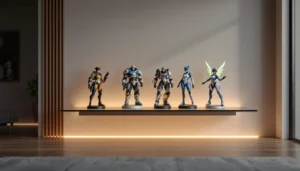
If you’re displaying statues, avoid direct sunlight, UV rays fade paint and can warp softer plastics over time. A wall-mounted shelf with a backing or a glass display case works well. Climate control matters more than most collectors realize. Temperature fluctuations and high humidity can cause paint adhesion issues, especially on cheaper statues with thinner paint coats.
For statues you’re storing rather than displaying, keep them in their original boxes if possible. Original packaging preserves value if you ever sell, and it provides the best protection against dust, impact, and light damage. If the original box is long gone, acid-free tissue paper and a sturdy storage box work as alternatives. Keep statues away from areas prone to vibration, a shelf above a subwoofer or near speakers is a bad idea if paint application is anything less than perfect.
Handle statues by their base or torso, never by outstretched arms, weapons, or wings. Even sturdy polystone pieces can crack if grabbed wrong, and resin is especially brittle. If a statue has multiple parts or removable pieces, store those separately in small bags with labels.
Cleaning And Maintenance
Dust accumulates on statues faster than you’d expect, especially in open shelves. Use a soft microfiber cloth to gently wipe surfaces every few weeks. For stubborn dust in crevices, a soft-bristled brush or old toothbrush works, but apply minimal pressure.
Never use water or cleaning solutions on painted statues unless explicitly stated on the product documentation. Some manufacturers use finishes that are water-resistant, but many standard painted figures will lose detail or develop paint damage from moisture. If you absolutely need to clean a sticky residue, use distilled water on a barely-damp cloth, and let the statue air-dry completely before returning it to display.
If a statue gets damaged, a chip, crack, or paint scuff, resist the urge to DIY repair it, especially if you plan to sell eventually. Unoriginal repairs reduce resale value. For valuable pieces, consult the original manufacturer or a professional restoration service. Many collectors accept minor wear as part of ownership, but major damage impacts collectibility.
Where To Buy Overwatch Statues
Finding legitimate Overwatch statues requires knowing where to shop. Prices and availability vary wildly depending on the source.
Official Retailers And Blizzard Store
Blizzard’s official online store is the safest bet for current releases. Prices are MSRP, no markup, and you’re guaranteed authenticity. The downside is limited inventory, popular statues sell out quickly, and older releases aren’t restocked.
Specialty gaming retailers like GameStop (when they carry collectibles) and Best Buy occasionally stock Overwatch statues, usually limited to current-gen Overwatch 2 releases. Availability is regional and inconsistent. Big-box retailers like Amazon sometimes carry official Blizzard stock, but watch for third-party sellers mixing in unofficial reproductions, always verify the seller is Blizzard or an authorized distributor.
Target and Walmart have carried limited statue selections in the past, particularly around holiday seasons or major gaming events. These are usually standard-tier figures, not premium editions.
Third-Party Retailers And Marketplaces
Specialized collectible retailers like Entertainment Earth, BigBadToyStore, and Sideshow Collectibles carry official Overwatch statues and pre-orders for upcoming releases. These shops typically honor MSRP but add shipping and handling costs. The benefit is early pre-order access and a wider archive of older releases.
International retailers matter too. Play-Asia (Japan-based) and AmiAmi carry region-specific statues, particularly Japanese releases from Good Smile Company. Shipping costs are higher, but selection is broader, and sometimes pricing is competitive when accounting for regional market differences.
eBay and Facebook Marketplace are viable for secondary market shopping, but verification is crucial. Check seller ratings, request detailed photos, and ask about condition and authenticity. Many sellers provide provenance, original packaging, receipts, photos of ownership, which justifies premium pricing.
Secondary Market Considerations
Secondary market prices (collector sites like Mercari, Grailed, or specialized forums) reflect actual demand and scarcity. A statue listed at $300 doesn’t mean it’s worth that, it means someone is asking that price. Research recent sold listings to understand true market value, not just asking prices.
Rare original Overwatch statues (pre-2019 releases, limited region exclusives) command premium prices. A first-edition Tracer statue in mint condition with original packaging might sell for $200-$400. Common Overwatch 2 era statues typically trade for 10-20% above MSRP, not significantly more. Don’t overpay for condition, minor paint imperfections on older pieces are normal and expected. If a seller claims a 7-year-old statue has zero paint wear, that’s a red flag.
Pricing, Collectibility, And Investment Value
Understanding statue pricing helps you make smart purchases and avoid overpaying.
Price Range For Different Statue Types
Current Overwatch 2 character statues typically retail for $40-$65, depending on height and paint complexity. These are standard PVC figures with good detail but not premium materials. You’ll rarely see these appreciate significantly after release unless they’re tied to a retired seasonal hero.
Original Overwatch era statues ranged from $30-$80 at retail, but the scarcity factor drives secondary market prices up considerably. An Origins Edition Tracer might have cost $60 in 2016, but today’s market value sits much higher. Premium polystone statues and limited regional releases command $100-$250 at retail, and secondary market prices can exceed $400 if they’re rare variants.
Collector’s edition bundles that included statues typically cost $80-$120 at launch, combining game content and collectible figures. Hunting these down now? Expect $150-$300 if the statue is intact and original packaging is included.
Rare Statues And Collectible Worth
Rarity is measured in three ways: global production numbers, regional exclusivity, and damage prevalence. A statue produced in 5,000 units worldwide is rarer than one produced in 50,000. A China-exclusive release has natural scarcity for Western collectors. A 15-year-old statue is inherently rarer than a 2-year-old one.
Condition matters significantly. A mint-in-box statue is worth 2-3x more than an opened but well-maintained one. Opened statues with paint damage, loose parts, or missing accessories lose 30-50% of value depending on severity. Documentation, original receipt, photos of ownership, provenance, adds 10-15% to value because it proves authenticity.
Specific characters inflate prices too. Tracer, Genji, and D.Va statues command premiums because these are flagship heroes. Mercy statues appreciate more than Moira statues because Mercy has broader appeal. Skin-specific variants (Bloodhardt, Detective Winston, Demon Hanzo) are worth more than standard pose releases. Hero statue variants from esports collaborations or limited seasonal drops are highly collectible, fewer people own them, so demand stays strong relative to supply.
Is statue collecting a solid investment? It’s not like trading stocks. You’re paying $50-$100+ per piece with no guaranteed return. But, early Overwatch era statues have genuinely appreciated, and certain rare pieces hold value well. The key is buying what you actually like, not speculating on random figures hoping they’ll explode in value. Collectors who buy their favorite heroes and treat pieces well tend to break even or make modest gains when reselling years later.
Building Your Overwatch Statue Collection
Starting and growing a collection requires strategy, patience, and honest assessment of your space and budget.
Starter Recommendations For New Collectors
Begin with current Overwatch 2 releases. These are affordable ($40-$65), readily available, and come in standard quality. Pick your favorite three heroes and grab those statues first. You’ll learn what paint quality and material feel like in hand before investing in premium pieces.
Tracerhas iconic status across the gaming world, so starting with a Tracer statue is never a mistake, it’s recognizable even to non-players, and you won’t regret owning it. Pair that with a favorite hero from each role: a tank like D.Va or Reinhardt, and a support like Mercy or Lúcio. This gives you visual balance across your shelf and represents different aesthetics.
Don’t immediately hunt secondary market for originals. New collectors often overpay for older statues they see listed at inflated prices. Patience yields better deals, wait for sales, watch for reprints, and prioritize current releases first. You’ll spend less total money and won’t feel like you overpaid once you’ve been collecting longer.
Set a budget. Whether that’s $200, $500, or $1,000 annually, having a limit prevents impulse purchases and helps you prioritize. Collectors who go all-in immediately often regret it when they need shelf space or find better deals on pieces they wanted later.
Advanced Collecting Strategies
Once you’ve got core statues, focus on variants and rare editions. Hunt for skin-specific versions of your favorite heroes. If you love Genji, collecting every Genji statue variant (Project Genji, Bedouin Genji, etc.) becomes a sub-collection within your collection. This gives focus and narrative to what could otherwise feel like random accumulation.
Track release dates and announcements. Blizzard typically announces statue releases a few months in advance through their official channels. Creative Overwatch Ideas to Enhance Your Gameplay Experience from the community often influence what gets produced. Being early on pre-orders prevents the heartbreak of sellouts and sometimes qualifies you for early-bird discounts.
Negotiate on secondary markets. A statue listed at $250 might sell for $200 if you make a reasonable offer, especially if it’s been listed for months. Sellers often have motivation to move inventory, and buyers who communicate respectfully often get better deals than those who ignore messages.
Documentation is key for high-value pieces. Take photos of your statues from multiple angles, keep original boxes and receipts, and consider insuring particularly valuable items if you’re serious about the hobby. This matters if you ever decide to sell or if something gets damaged.
Consider display rotation. If you have limited shelf space, rotate which statues are displayed seasonally. Keep others in climate-controlled storage. This lets you enjoy variety without requiring an entire room dedicated to figurines. It also refreshes your appreciation for pieces you’ve grown familiar with.
Conclusion
Overwatch statues represent a bridge between the digital and physical, they’re tangible connections to characters that’ve defined your gaming experience. Whether you’re drawn to the artistry of detailed sculpting, the nostalgia of early Overwatch releases, or simply the joy of owning representations of your favorite heroes, the hobby offers something for every collector.
The market has matured significantly since the game’s 2016 launch. Newer collectors benefit from more frequent releases and broader hero coverage through Overwatch 2, while veterans appreciate the scarcity and value of original editions. Both have merit, and successful collections often blend current releases with strategic hunting for older pieces.
Start small, buy what you genuinely enjoy, and don’t chase investment returns. Collect thoughtfully, display carefully, and maintain with intention. A well-curated Overwatch statue collection becomes not just shelf decoration, but a personal archive of the characters and moments that mattered most to your gaming journey. Whether you’re assembling your first three statues or hunting down the final rare variant for a complete hero set, the pursuit itself becomes part of the appeal.