Table of Contents
ToggleOverwatch‘s Halloween event has become one of the most anticipated seasonal celebrations in the hero shooter community. Every October, Blizzard drops a wave of spooky skins, exclusive cosmetics, and limited-time game modes that keep players grinding for weeks. Whether you’re hunting for that perfect legendary skin or trying to stack cosmetics before the event vanishes, understanding what’s available, and how to get it, separates the prepared players from those scrambling at the last minute. This 2026 edition brings fresh content alongside returning fan favorites, and knowing the details about pricing, earning methods, and event duration can make or break your Halloween haul.
Key Takeaways
- Overwatch Halloween 2026 runs October 1–November 4, offering returning fan-favorite skins and 8–12 new Halloween cosmetics across multiple pricing tiers (250–2,000 credits).
- Maximize free cosmetics by completing the free Battle Pass track, finishing seasonal challenges, and farming Junkenstein’s Revenge PvE mode to earn 3–5 cosmetics and 400–800 credits without spending real money.
- Legendary Halloween skins like Witch Mercy and Junkenstein’s Monster Roadhog return exclusively during the event window and cost 1,650 credits—missing them means waiting a full year for availability.
- Strategic gameplay prioritization (PvE mode selection, challenge stacking, optimal queue timing) can reduce farming time by 10–15 hours while acquiring the same cosmetic rewards.
- Smart cosmetic purchasing requires waiting until week 1 for the full roster reveal, then prioritizing purchases using earned credits before spending real-money currency on lower-tier items.
- The extended 35-day event window reduces grinding pressure, but procrastination compounds quickly—plan your cosmetic targets early to avoid missing time-limited Halloween skins forever.
What To Expect From Overwatch Halloween This Year
Overwatch Halloween 2026 follows the established blueprint that made previous years so successful, but with meaningful additions to keep things fresh. Blizzard’s typically releasing the event in early October and running it through early November, giving players a solid four-week window to earn rewards and snag cosmetics. Expect a mix of brand-new character skins alongside reissued legacy content, game mode variations that lean into the spooky theme, and cosmetic bundles designed to entice both collectors and casual players.
The 2026 event continues Blizzard’s trend of offering multiple paths to cosmetics, both free and paid. Battle Pass progression, seasonal challenges, limited-time loot boxes, and direct purchases all coexist, so players at different commitment levels can still grab meaningful content. Unlike some past events where grinding felt mandatory, this year’s structure should feel more accessible while still rewarding dedicated players.
One key difference this year: Blizzard’s been more transparent about event timelines and cosmetic availability, so expect clear communication about what’s exclusive to the event window versus what’ll become permanent catalog additions later. This matters because it affects urgency, some skins truly vanish until next year, while others might rotate back into the shop sooner.
Returning Halloween Skins And Cosmetics
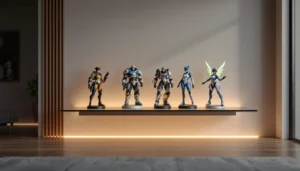
Blizzard knows that nostalgia drives engagement, so the 2026 event brings back a substantial roster of legacy Halloween skins. These aren’t new designs, but they’re immediately recognizable and often cheaper than fresh releases, making them ideal for players building their cosmetic collection on a budget.
Most Sought-After Legacy Halloween Skins
The returning catalog includes some of the community’s most beloved designs:
- Witch Mercy and Feathered Costume Witch Mercy remain at the top of most wishlists. These skins have been returning for years and still command serious demand during the Halloween window.
- Junkenstein’s Monster Roadhog and Junkenstein’s Revenge Tracer are high-value pickups that tap into Blizzard’s Junkenstein’s Revenge arcade mode nostalgia.
- Talon Agent Widowmaker and Skullyatta Zenyatta offer darker aesthetic vibes, perfect for players who want menacing rather than cutesy Halloween aesthetics.
- Bride Brigitte and Afro Samurai-inspired Tracer (if returning) appeal to specific playstyles and personality types.
- Mummy Winston and Wraith Reaper round out the tank and damage options with iconic silhouettes.
These skins typically cost between 1,000–1,500 Overwatch Credits for standard versions, with some variant editions running higher. They’re available exclusively during the Halloween event window, so missing them means waiting another full year.
Bundle Deals And Discounted Cosmetics
Blizzard frequently bundles cosmetics during seasonal events to drive higher spending and give players perceived value. In 2026, expect:
- Character skin bundles pairing a legendary skin with matching weapon cosmetics, emotes, or sprays at a modest discount (typically 10–20% off the individual purchase price).
- Event-themed cosmetic packs grouping skins by theme (all witch skins, all monster skins, etc.) at tiered price points.
- Battle Pass bundles offering cosmetics tied to Battle Pass progression, sometimes discounted if purchased early in the event window.
Where’s the catch? Bundle deals often require committing to cosmetics you might not have chosen individually. The value’s real only if you actually want most items in the bundle. Smart players wait a few days into the event to see the full cosmetic lineup before committing to bundles, since Blizzard typically reveals the entire catalog within the first week.
New Halloween-Themed Content For 2026
While returning skins bring familiarity, Blizzard always drops fresh designs to generate genuine hype and give OG Halloween cosmetic collectors new targets. The 2026 event should feature somewhere between 8–12 entirely new character skins, depending on how aggressive Blizzard wants to be with content drops this year.
Exclusive Character Skins And Designs
New 2026 Halloween skins are expected to push creative boundaries while staying thematic. Based on historical patterns and Blizzard’s recent design trends, anticipate:
- Hero-specific thematic variants where each character gets a unique twist on a broader Halloween concept (e.g., all supports as different supernatural creatures, but each tailored to that hero’s identity).
- Crossover-inspired skins drawing from horror media, animation, or gaming culture. Blizzard’s been more willing to reference pop culture in recent years.
- Character evolution skins that reimagine a hero in a completely different context (like a historical or sci-fi twist on Halloween tropes).
New legendary skins, the premium tier with full model redesigns, custom animations, and sound effects, will likely run 1,650–2,000 Overwatch Credits, consistent with Blizzard’s 2025 pricing. Epic variants (500–750 credits) and rare skins (250 credits) should round out the full spectrum, ensuring players at every spending level have options.
The visual quality threshold for new Halloween cosmetics has been rising. Earlier Halloween events had some dated designs by 2026 standards, but Blizzard’s production quality on seasonal content is now competitive with their premium cosmetic output. Expect skins with custom weapon designs, altered ability animations, and thematic sound effects that justify the price tag.
Limited-Edition Weapon And Emote Cosmetics
Beyond character skins, the Halloween event introduces weapon finishes, emotes, sprays, and other cosmetic tiers. These are often overlooked but matter significantly to completionists and players who want cohesive loadouts.
- Halloween weapon skins (ornate, glowing, or textured designs) typically cost 300–500 credits. Some pair directly with character skins for a unified aesthetic.
- Exclusive emotes cost 250–400 credits and often feature Halloween-specific animations (emoting with a carved pumpkin, ghostly effects, etc.).
- Spray cosmetics and highlight intros round out the cosmetic tree at lower price points (50–150 credits), giving budget-conscious players cosmetic expression options.
Many players don’t prioritize these smaller cosmetics, but they’re excellent value-to-cost ratio items. A 50-credit spray or highlight intro lets you participate in cosmetic collection without massive spending. Plus, they’re sometimes bundled with skins at no additional cost, so you often grab them passively while pursuing main targets.
Halloween Event Game Modes And Challenges
Cosmetics drive engagement, but gameplay variations keep the event fun and give rewards beyond skins. Overwatch Halloween events have historically featured Junkenstein’s Revenge (a PvE arcade mode) as the flagship experience, but 2026 should expand on this formula.
Seasonal Gameplay Variations
Expect multiple limited-time game modes rotating through the event:
- Junkenstein’s Revenge (returning): A 4-player PvE horde-survival mode where players defend against waves of enemy robots. Different difficulty tiers (Easy, Medium, Hard, Legendary) affect challenge scaling and reward tiers. Most players farm this for cosmetic rewards and XP since it’s efficient grinding compared to standard multiplayer matches. Recent patches have adjusted difficulty curves, so Legendary difficulty isn’t trivially easy anymore, prepare for actually challenging team coordination requirements.
- All-Havoc Control: A 5v5 Control map variant with Halloween-themed environmental changes and modifiers (like reduced cooldowns or altered ability effects). This flavor changes annually: 2026’s iteration might feature destructible props, haunted zones, or other interactive elements.
- Team Deathmatch variants: 6v6 deathmatch on Halloween-specific arenas. These are typically chaotic, quick-match experiences ideal for casual players who want event participation without long match timers.
Each mode has distinct reward structures. PvE modes typically offer more reliable cosmetic drops, while multiplayer modes reward primarily through Battle Pass progression. Knowing which mode aligns with your goals (fast cosmetics vs. long-term progression) optimizes your farming strategy.
Reward Tracks And Seasonal Achievements
The Battle Pass structure ties cosmetics, XP boosts, and credits to milestone completion. Here’s how it typically breaks down:
- Free Battle Pass track: Available to all players. Progression unlocks cosmetics, sprays, and cosmetic currency (Overwatch Credits) at intervals. The free track usually provides 3–5 meaningful cosmetic rewards over 100 levels, making it worthwhile even if you don’t pay.
- Premium Battle Pass (typically $9.99–$14.99): Unlocks parallel progression track with higher-tier cosmetics, more credit allocations, and exclusive sprays/highlights. Blizzard’s structured it so premium Battle Pass essentially pays for itself through earned credits if you complete most tiers.
- Seasonal challenges: Time-limited objectives (“Win 5 Control matches” or “Get 3 kills as Support heroes”) unlock cosmetic rewards, XP, and credits. These vary in difficulty and time investment.
During the 2026 event, track progression should move faster than base game modes. Seasonal events typically grant 1.5x–2x XP multipliers to keep engagement high. This means the time-to-reward ratio is significantly better than grinding standard multiplayer matches. Smart players focus on seasonal challenges and event-specific modes during limited-time windows, since the efficiency multiplier only applies during the event period.
How To Obtain Halloween Cosmetics
There’s no single path to cosmetics in 2026, Blizzard offers flexibility to accommodate different player types and spending habits. Understanding your options prevents buyer’s remorse and helps you allocate resources efficiently.
In-Game Currency And Battle Pass Requirements
Overwatch Credits (premium currency purchased with real money) remain the primary path to cosmetics. Here’s the cost structure for 2026:
- Legendary skins: 1,650 credits (roughly $16.50 at standard conversion rates, though regional pricing varies)
- Epic skins: 750 credits ($7.50)
- Rare skins: 250 credits ($2.50)
- Common cosmetics (sprays, highlights): 50–150 credits
Credits are bought in bundles (usually 500, 1,100, 2,200, or 5,000 credits), and Blizzard prices them to incentivize higher purchases through slight per-credit discounts. The 2,200 credit bundle is typically the sweet spot for most players planning to grab 1–2 legendary skins.
Free-to-play cosmetic sourcing still exists:
- Battle Pass free track: Progressing through all 100 tiers on the free track unlocks 3–5 cosmetics worth grabbing, plus earned credits that offset future purchases. A dedicated player can earn 200–400 credits from the free track alone.
- Seasonal challenges: Completing all seasonal challenges typically rewards another 500–800 credits and 2–3 cosmetics. These stack up over the event window.
- Loot box drops: Standard gameplay provides occasional loot boxes (one per level-up, plus arcade mode boxes). Event loot boxes have higher odds of dropping Halloween cosmetics, though the rates aren’t published. Budget roughly 5–10 boxes to land a single Halloween cosmetic on average.
The math: A player who completes the free Battle Pass, finishes seasonal challenges, and farms ~10 loot boxes can obtain 3–5 cosmetics entirely free during the event. This is legitimate progression and satisfying for players uninterested in spending.
Special Purchase Options And Pricing
Blizzard occasionally runs promotions or alternate purchasing methods during events:
- Direct skin purchases at posted credit values (no RNG, you know exactly what you’re getting). This is the standard method and what most players use.
- Event loot boxes (sometimes available in limited quantities or with in-event XP bundling). These introduced RNG but are sometimes cheaper per-cosmetic than direct purchases if your luck breaks right. Blizzard’s been pulling back on loot boxes in favor of direct cosmetic shops, so their availability in 2026 might be limited or nonexistent.
- Cosmetic bundles (as discussed earlier) often provide modest discounts if multiple cosmetics are purchased together. Value ranges from fake (bundled items you don’t want) to genuine (saving 20%+ on a cohesive skin set).
- Regional pricing adjustments: Blizzard adjusts credit costs for different regions and currencies, so international players might see different effective prices. Check your regional shop for exact values.
A practical tip: Cosmetics purchased during events typically don’t go on sale again until next year’s event. If you’re on the fence about a skin, the “I can buy it next year” mentality is risky, cosmetics sell out inventory slots and the community attention moves on. Purchase decisions should factor in whether you’d regret missing a year-long gap without a skin you liked.
Tips For Maximizing Your Halloween Event Experience
Grinding efficiently requires strategy beyond just logging in and playing. These tactics help you extract maximum value from the limited-time window.
Strategic Gameplay Recommendations
Not all gameplay is equally rewarding during Halloween. Optimize your mode selection:
- Prioritize Junkenstein’s Revenge if cosmetics are your primary goal. This PvE mode runs in 15–20 minute matches with guaranteed cosmetic rewards. You can queue it repeatedly without the variance of multiplayer matchmaking. Legendary difficulty offers better rewards, but if you’re farming quantity over quality, Hard difficulty offers nearly comparable cosmetic rates with faster clear times.
- Stack seasonal challenges with your mode choice. If a challenge requires “Win 5 Control matches,” queue Control mode to progress both the challenge and cosmetic tracks simultaneously. Blizzard’s structured challenges to pair with specific modes, so synergy exists if you check the challenge menu.
- Avoid long queue times by playing roles with shorter queues (typically damage in most regions). Support and tank mains might wait 2–3 minutes per queue: damage gets instant pops. Over a 4-week event, avoiding queue time waste genuinely adds up.
- Play during peak hours if you want to maximize match quality and win rates. Some seasonal challenges require wins, and winning is statistically easier when queuing during prime time with higher overall player skill pools. Counter-intuitive but true: better opponents often means better teammates.
Essentially, treat the event like a quest with separate objectives. Chunk your goals (“I want 3 legendary skins and 8 epic cosmetics”) into daily targets that let you hit challenges, cosmetic drops, and Battle Pass progression simultaneously.
Earning Cosmetics Efficiently
Time is finite, so here’s the priority ranking for cosmetic acquisition:
- Complete free Battle Pass first (100 tiers): This is mandatory foundation that takes 25–35 hours of gameplay and nets you 3–5 cosmetics plus earned credits. The time-to-reward ratio here is unbeatable.
- Farm seasonal challenges: These unlock in weekly batches and are specifically designed to be finishable by all players. Budget 20–30 hours across the event for these, and you’ll pocket another 500–800 credits and 2–3 cosmetics.
- Run PvE mode for secondary cosmetic drops: After challenges, mindlessly farming Junkenstein’s Revenge offers reliable cosmetic drops. Legendary difficulty gives better odds, but requires competent teammates. If you’re solo, Hard difficulty with random groups is more consistent.
- Use earned credits strategically: Don’t blow 400 earned credits on a common spray. Bank everything and apply it to your first major cosmetic purchase, stretching your free resources as far as possible.
- Spend premium currency last: Only purchase cosmetics with real-money credits after exhausting free sources. This forces prioritization, you buy the cosmetics you actually want, not everything.
Average investment needed: A player spending 50–60 hours on Halloween event gameplay can realistically obtain 8–12 cosmetics entirely free, plus have another 400–600 credits available from Battle Pass completion. That’s enough to grab one additional legendary skin if desired, or multiple lower-tier cosmetics. The returns scale with play time, but they’re respectable even for casual engagement.
One underrated hack: Invite friends to group queue for challenges. Grouping dramatically improves win rates on win-condition challenges, shaving hours off your overall time investment. Even 5–10% win rate improvements compound over 30+ challenge matches.
Event Duration And Countdown
Overwatch Halloween 2026 is scheduled to run from October 1–November 4, 2026, giving players a full 35-day window. This is slightly longer than 2025’s event duration, suggesting Blizzard wants to reduce pressure on players trying to hit seasonal targets.
Specific dates matter because cosmetics available during the event window often vanish afterward. A skin purchased on October 31 is yours forever, but a skin not purchased becomes unavailable (typically until the following October). The extended duration takes pressure off grinding, but procrastination is still risky, connection issues, unexpected life stuff, or simple decision paralysis can eat days fast.
Key decision dates:
- October 7 (roughly week 1): Full cosmetic roster is revealed. By this point, you know all 2026 new skins and returning cosmetics. Rushing purchases before understanding the full menu is wasteful.
- October 21 (roughly mid-event): Seasonal challenges rotate. Most players by this point have completed week 1 challenges and are eyeing week 2–3 targets. If you’ve hit 50+ hours of gameplay, you’re well-positioned for free cosmetic acquisition.
- October 28–November 4 (final week): If you’re behind on targets, this is crunch time. Event queue times might lengthen slightly as latecomers flood in. Having a clear cosmetic priority list by this week prevents panic spending or buyer’s remorse.
Final note on timezones: Overwatch events typically end at 5 PM PT on their final date. If you’re in a different timezone, check your local time to avoid being one hour early or late to the final cosmetic window. It’s happened to players before and it sucks.
Overwatch has an in-game event timer, so you can always check exact remaining time. Don’t rely on memory or external countdowns, the game’s clock is definitive.
Conclusion
The 2026 Overwatch Halloween event is shaping up to be comprehensive and rewarding for players across all engagement levels. Whether you’re chasing one aspirational legendary skin or building a full Halloween cosmetic collection, the event’s structure supports multiple playstyles and spending strategies. The fundamentals remain constant: clear cosmetic tiers with defined pricing, gameplay modes offering both fun and rewards, and Overwatch strategies to optimize your farming efficiency.
Winning in Overwatch during seasonal events isn’t just about finding cosmetics you love, it’s about understanding timelines, knowing which game modes maximize your goals, and allocating your limited time strategically. Players who come prepared with a prioritized cosmetic wishlist, who leverage free cosmetic sources before spending real money, and who stack challenges with gameplay modes will walk away satisfied. Those who wing it often regret missing cosmetics or overspending on items they didn’t truly want.
The event window is generous at 35 days, but don’t let that breed complacency. Life happens, and “I’ll play tomorrow” cascades into November 5 with cosmetics forever out of reach. Pick your targets, commit to a realistic play schedule, and start grinding early. The spooky skins will still be there mid-event if you want to wait for full roster reveals, but your farming window shrinks with every day of delay. Halloween cosmetics are among the most coveted in Overwatch’s entire cosmetic library, treat the event like the limited-time opportunity it genuinely is.